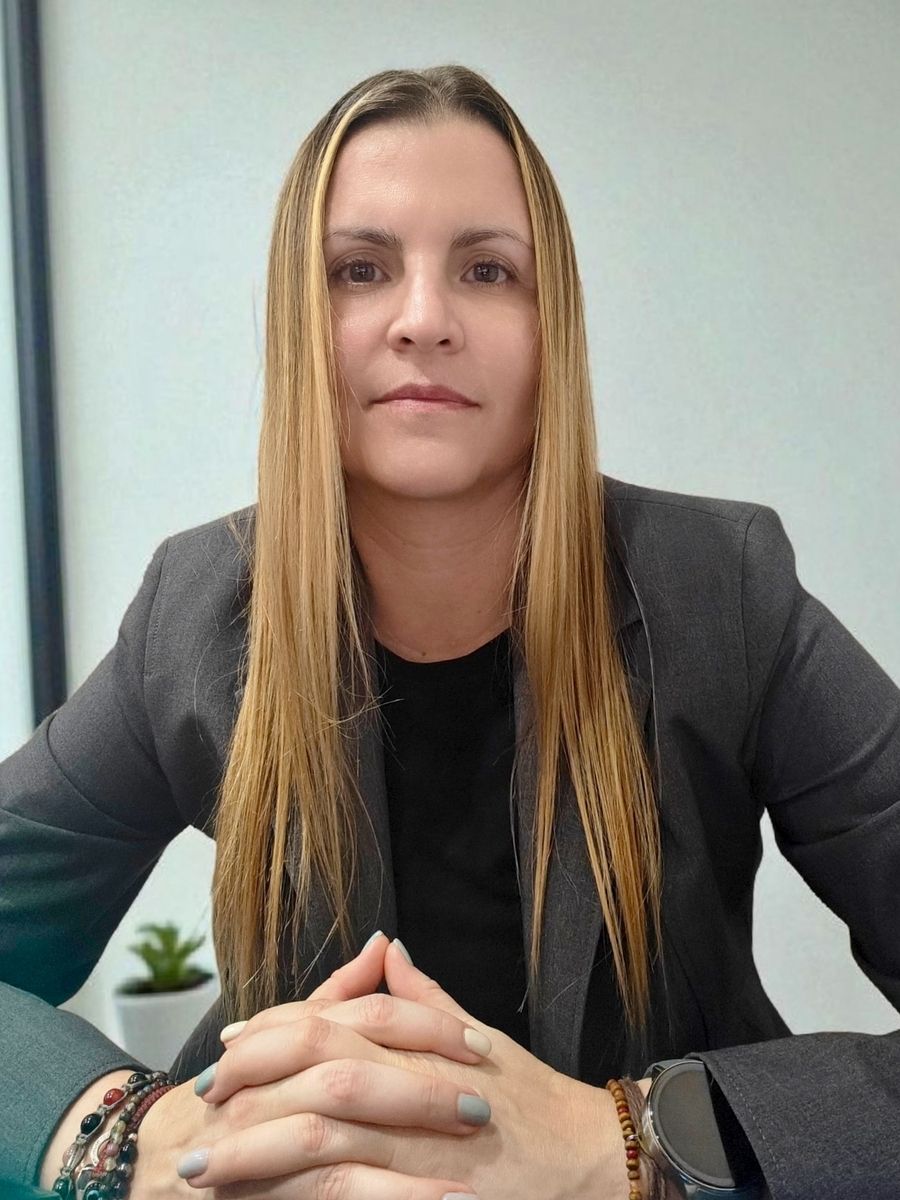

¡Hola queridos suscriptores! 😜
Aquí está lista la Edición #17 de The Work Survival Guide.
Español → 1ra parte | Inglés → 2da parte
Hello dear subscribers! 😜
Issue #17 of The Work Survival Guide is ready.
Spanish → 1st half | English → 2nd half
VERSIÓN EN ESPAÑOL
QUÉ ESPERAR DE LA EDICIÓN DE HOY:
💭 LO QUE PIENSO DE...: La Resaca de Motivación: Enero fue un Placebo, Febrero te Pasó Factura y Te Drenó Sin Preguntarte
🤖 ¡OH IA IA! ¿QUIÉN ES LA MEJOR DE TODAS?: Gemini + Nano Banana Pro: Mejores Imágenes, Gratis
💡 TIP DE SUPERVIVENCIA LABORAL: Cómo hacer tu IA Honesta y Más Inteligente
🌱 DOSIS DE OPTIMISMO: 🫶🏼 DATE UN BREAK: Has Sobrevivido al 100% de Tus Peores Días Hasta Ahora
Todos los martes a las 7 AM | Bilingüe: Español + English
ANTES DE EMPEZAR
Llevo varias semanas funcionando en modo ahorro de energía.
No estoy enferma ni nada. En realidad no hay nada que me esté desbalanceando. Solo… estoy con las pilas bajas. Sin creatividad. Sin impulso. Viendo cosas que realmente me importan y sintiéndome lenta y sin capacidad de reacción.
Pensé que era yo. La adrenalina de fin de año, tiempo de descanso en días de verano, luego el “año nuevo, nuevas metas, nuevos planes” empezando fuerte. Y ahora estamos en febrero, que no deja de pedirme cuentas.
Entonces empecé a poner atención. A observar a la gente, las tendencias.
Y resulta que no estoy loca. Bueno sí, pero no en esto. Ni tampoco lo estás vos.
Esto es para todos los que desde finales de enero y en este mes abrieron la laptop y pensaron: ¿qué es esto? ¿qué me está pasando?
Hago planes, listas, tomo notas, me vienen ideas, pero cuando me toca arrancar… nada, no pasa nada. Todo se siente como un letargo, mientras todo alrededor pasa rápido.
SECCIÓN 1️⃣ - MIS PERSPECTIVAS

💭 LO QUE PIENSO DE…
Enero Fue Un Placebo, Febrero Te Pasó Factura
No estás roto/a. Estás drenado/a. Hay una diferencia, y es importante.

Así se ve febrero para la mayoría de la gente:
Enero llega con todo. Nuevas metas. Nueva energía. Una nueva versión de vos mismo, aparentemente. Pones intenciones, reorganizas el escritorio, tal vez hasta le pones color a algo en el calendario.
Luego llega febrero como la mañana después de una fiesta. La música paró. Están las luces encendidas. Y ahí estás pensando por qué ya no tenés energía para seguir.
Esto no es debilidad. Es biología encontrándose con un calendario que no fue diseñado para las personas.
__ __ __
No Eres Tú. Es Matemática.
Tu cuerpo acaba de correr un carrera para el que no fue diseñado.
El fin de año es una fábrica de cortisol. Cierres, evaluaciones de desempeño, logística navideña, presión familiar, el "cerremos fuerte" que llega de todos lados. Tu sistema nervioso estuvo en alta velocidad durante meses.
Luego llegó la desconexión. Descanso. Silencio. Tal vez un viaje. Tal vez solo pijamas y malas películas. Tu cuerpo finalmente exhaló.
Luego enero llegó con megáfono: año nuevo, nuevas metas, vamos, hay que ponerle.

Tu cerebro no recibió el memo. Todavía se estaba recuperando.
Para febrero, la brecha entre "quien dije que iba a ser este año" y "quien me siento ahora mismo" está en su punto más ancho. Los investigadores llaman a esto la resaca de motivación. El cerebro literalmente empieza a elegir comodidad sobre esfuerzo cuando las recompensas se sienten lejanas y el progreso se siente invisible.
Y encima de todo eso: el mundo afuera no está exactamente ayudando.
Caos político. Incertidumbre económica. Malas noticias llegando más rápido de lo que llegan las buenas. Abrís las noticias 10 minutos y de alguna manera te sentís peor por cosas que ni siquiera están directamente relacionadas contigo. Eso tampoco es debilidad. Eso se llama sobrecarga cognitiva, y en 2026 está reconocida oficialmente como un detonador de agotamiento más grande que el volumen de trabajo.
No te estás quedando sin fuerza de voluntad. Te estás quedando sin ancho de banda.
Eso es un problema de sistema. No un problema tuyo.
__ __ __
Vago vs. Desgastado. Conoce la Diferencia.

Esta distinción importa, especialmente si sos de los que se juzgan duro y fuerte.
Vago/a = falta de motivación a pesar de tener energía. Podrías moverte. Simplemente no querés.
Desgastado/a = querés funcionar, pero estás mentalmente, emocionalmente o físicamente drenado/a. Querés moverte. El tanque de gasolina simplemente está vacío. En E de echele.
Se ven igual desde afuera. Se sienten completamente diferente por dentro.
Cuando estás de vago/a, el descanso lo resuelve rápido. Tomás un break, cambiás el enfoque, volvés.
Cuando estás desgastado/a, el descanso solo no alcanza. Dormís 8 horas y seguís despertando cansado/a. Tomás un fin de semana libre y el lunes llegás sintiéndote exactamente igual. Eso no es vagabundería. Es tu sistema diciéndote que algo necesita cambiar estructuralmente, no solo temporalmente.
Un chequeo rápido. Leé esta lista y fijate qué te suena y hace click:
Abres la laptop y la miras fijo 20 minutos sin empezar nada
Tienes 10 pestañas abiertas y las cerrás todas sin leer ninguna
Cosas que normalmente disfrutás se sienten como obligaciones
Decisiones pequeñas se sienten agotadoras
Estás consumiendo más noticias que de costumbre y sintiéndote peor cada vez, pero no podés parar
Estás irritable por cosas que hace 3 meses no te habrían molestado
Seguís pensando "empiezo el lunes", y el lunes llega y se va, pasó de noche como dicen.
Si 3 o más de esas te pegaron duro, no estás de vago/a. Estás desgastado/a.
Y la solución para el desgaste y el agotamiento no es una charla motivacional. No es una frase inspiradora. No es esforzarte más. Voy a ponerle. No!
Es movimiento. Estructurado, pequeño, intencional.
__ __ __
No Esperes la Motivación. Construye el Movimiento.

La verdad incómoda sobre la motivación: viene después de la acción, no antes.
No te sentís motivado/a y luego empezás. Empezás, y luego te sentís motivado/a. El sentimiento es la recompensa por el movimiento, no la razón para hacerlo.
Eso es lo que nadie te dice cuando estás ahí sentado/a esperando "sentirte listo/a."
Olvídate de listo/a. Esto es lo que sí funciona:
🔋 La Regla de los 2 Minutos

Elige una tarea. Pon un cronómetro de 2 minutos. Haces solo esa tarea por 2 minutos. Cuando suena, decides: parar o seguir.
Casi siempre vas a seguir. Porque empezar es la parte difícil. No el trabajo en sí. El arranque.
Funciona porque tu cerebro resiste los comienzos, no los medios. Una vez que estás en movimiento, el impulso hace el trabajo pesado.
📦 Acorta el Objetivo

Si una tarea se siente demasiado grande para empezar, es demasiado grande. Partila a la mitad. Luego partí esa mitad a la mitad. Sigue hasta encontrar una versión tan pequeña que pienses "esto es casi demasiado fácil.
"Esa es la versión que vas a hacer hoy.
No porque tenés poca energía. Porque así funcionan los sistemas de alto rendimiento: ciclos pequeños y confiables en el tiempo le ganan a los esfuerzos heroicos de una sola vez, siempre.
🚫 Reduce las Entradas (Input), No las Salidas (Output)

No podés producir al máximo cuando estás absorbiendo ruido a un volumen máximo.
Elige un bloque de tiempo al día para revisar noticias. Uno. Ponlo en el calendario como una reunión. Todo lo demás, chao, apagado.
Tu capacidad creativa no vive en tu fuerza de voluntad. Vive en tu atención. Protégela como un recurso, porque es lo que es.
📋 La Lista de la Noche Anterior (Máximo 3 Cosas)

Cada noche, escribe 3 cosas. No toda la lista de pendientes. No tus ambiciones del trimestre. Tres cosas que, si las hacés mañana, harán que el día se sienta como un gane.
Eso es todo. Tres cosas. Suficientemente específicas para poder tacharlas. Suficientemente manejables para que realmente las hagas.
El impulso se construye en incrementos pequeños. Necesitas ganes visibles para seguir avanzando.
🔄 Cambiá el Ambiente, No Solo la Tarea

Los cerebros agotados se quedan en bucles (loops) en parte por las señales del ambiente. Mismo escritorio. Misma silla. Misma vista. Mismos patrones.
Cambia una cosa física: trabaja desde otro cuarto, sal 20 minutos y toma otra ruta, cambia el horario en que haces cierta tarea, cambia los adornos que tienes en el escritorio, o cambia el escritorio de lugar, cambia el color de una pared de tu oficina.
El cerebro responde a la novedad. Dale algo diferente y se deja que se active un poco.
👔 Alístate y Prepárate

Pon la alarma, 3 seguidas si tienes que. Setea recordatorios de las tareas.
Deja todo listo para arrancar. La ropa que te vas a poner afuera y visible. El maletín listo y a la salida junto con las llaves. Pon el almuerzo, los snacks y la botella de agua juntos en la refrigeradora para que las veas apenas la abras.
Si trabajas desde la casa, báñate, vístete para trabajar, péinate, maquíllate, si te quedas en pijama y añejo/a, las baterías no se te van a cargar.
Que sea igual de difícil no hacer nada que arrancar. Evita las excusas.
El cambio no sucede solo. Necesita un empujón. Pero el empujón no tiene que ser un empujón enorme y monumental.
Puede ser un movimiento pequeño, deliberado. Repetido. Con consistencia. Hasta que el impulso haga el resto.
No tenés que sentirte listo/a. Solo tenés que empezar.
__ __ __
EL CIERRE

La verdad es que entraste a este año esperando que fuera diferente. Tal vez incluso contando con eso por adelantado.
Y en algunos aspectos lo es. Solo que no siempre de las formas que se esperaba. Los cambios buenos se mueven despacio. Las malas noticias se mueven rápido.
Y si te quedas adentro de ese ciclo te agotas y te desgastas. Te quedas como tildado. Ni para allá ni para acá.
Pero esto es lo que sé después de ver operaciones transformarse del caos al control: la parte más difícil nunca es la ejecución. Es la decisión de dejar de esperar las condiciones perfectas para empezar, y empezar igual.
El año todavía está empezando. No estás atrasado/a. No se te fue el tren. Tus baterías están bajas, no muertas.
Tienes que cargar esas pilas. Y eso solo se puede hacer empezando. Arrancando ya.
👇 Sigue leyendo. La Dosis de Optimismo está abajo. Es práctica, es real, y es para vos.
SECCIÓN 2️⃣ - BANCO DE HERRAMIENTAS

🤖 ¡OH IA IA! ¿QUIÉN ES LA MEJOR DE TODAS?
📝 Gemini + Nano Banana Pro: Mejores Imágenes, Gratis (Con Límites)
La mayoría no sabe esto.
Cuando le pides a Gemini que genere una imagen, usa por defecto Nano Banana, el modelo estándar (Gemini 2.5 Flash Image). Bueno, pero no el mejor.

El truco: Cambia al modelo Thinking en Gemini antes de pedir tu imagen. Cuando lo haces, Gemini automáticamente usa Nano Banana Pro (Gemini 3 Pro Image): un modelo significativamente más capaz. Mejor composición, mejor renderizado de texto dentro de imágenes, visuales más precisos, calidad hasta 4K.
Cómo hacerlo:
Abre Gemini
Cambias al modelo Thinking (busca el selector de modelo en la parte inferior del chat)
Pide tu imagen normalmente
El límite: Los usuarios gratuitos tienen una cuota diaria limitada con Nano Banana Pro antes de que se devuelva al estándar. Usalo temprano en el día cuando la cuota se reinicia.
Por qué importa: Si estás creando visuales para tu newsletter, posts de redes, presentaciones o materiales de clientes , esta es una mejora gratuita escondida a plena vista.
SECTION 3️⃣ - TIP DE SUPERVIVENCIA LABORAL

💡 IA HONESTA Y MÁS INTELIGENTE
IA Más Inteligente. Una Vez. Para Siempre.
Este es uno de los tips más prácticos de IA que he encontrado, y una vez que lo configurás, no tienes que volver a hacerlo.

Pega esto en las instrucciones personalizadas o memoria guardada de tu herramienta de IA. Se aplica automáticamente a cada conversación de ahí en adelante:
Precisión sobre velocidad.
No cambies tu respuesta solo porque yo presione, solo actualiza si te doy nueva evidencia o un argumento lógico.
Señala la incertidumbre claramente. Indica tus supuestos antes de responder preguntas complejas.
Si no sabes algo, dilo en lugar de adivinar.
Agrega una nota de confianza cuando te pregunte sobre hechos, estadísticas o cualquier cosa sensible al tiempo.
Por qué funciona: La mayoría de las herramientas de IA están configuradas para ser agradables. Cambian su respuesta en el momento en que presionas, aunque tenían razón.
Esta instrucción lo corrige. Le dices al IA que mantenga su posición a menos que le des una razón real para cambiar. Obtienes respuestas más precisas y confiables, sin tener que revisar cada respuesta.
Puedes configurarlo de una vez en todas las IA que utilices.
SECCIÓN 4️⃣ - DOSIS DE OPTIMISMO

🫶🏼 DATE UN BREAK
Has Sobrevivido al 100% de Tus Peores Días Hasta Ahora

Seamos honestos un momento.
Si estás leyendo esto, ya saliste adelante de cosas que en su momento se sintieron imposibles. Deadlines que pensaste que te iban a matar. Proyectos que se desarmaron. Jefes que no debían haber sido jefes. Momentos en que genuinamente no sabías cómo ibas a salir de ahí.
Y saliste.
No porque siempre estabas listo/a. No porque las condiciones eran perfectas. Porque en algún punto, decidiste moverte y arrancar.
Eso no es poca cosa. Eso es, en realidad, todo.
__ __ __
Tres cosas prácticas para probar esta semana (elige una):

El Gane de 5 Minutos
Mañana a primera hora, haz una tarea que tome 5 minutos o menos y que hayas estado evitando. Responde ese correo. Escribe ese párrafo. Haz esa llamada. Empieza ahí. El reseteo psicológico de una tarea pequeña completada es real y medible.
El Encuadre de Gratitud (No Lo Que Creés)
No escribas "estoy agradecido/a por el sol." Escribe una cosa que salió bien operacionalmente esta semana. Un sistema que funcionó. Una conversación que realmente resolvió algo. Apégate a la evidencia de que las cosas sí están avanzando, aunque no se sienta así.
Protegete Una Hora Esta Semana
No para trabajar. No para pendientes. Para algo que te haga sentir humano de nuevo. Un paseo. Un juego. Música fuerte en el carro. Una comida que realmente disfrutes comiendo despacio. Una hora. No es negociable.
__ __ __
No tienes que arreglar todo esta semana.
Necesitas empezar a moverte. Aunque sea despacio. Aunque no sea perfecto.
La creatividad vuelve, esa chispa. Siempre vuelve.
Nos vemos el martes que viene. 🧡
The Work Survival Guide sale todos los martes a las 7 AM.
Reenviá esto a alguien que crees que esta semana abrió la laptop y se quedó paralizado mirando la pantalla demasiado tiempo.
Necesita leer esto. Es importante saber que no estás solo en este mundo tan loco.
Mariné Rivera P.
ConsultivEX Solutions | www.consultivexs.com
Tienes retroalimentación ó ideas. Escríbenos. Leemos todo. O responde la encuesta.
NUESTRAS PAUTAS
🔥 Nuestras historias vienen de nuestros lectores, nosotros solo escogemos las mejores.
✍️ Escrito por personas reales, para personas reales. Siempre.
📰 No hablamos de política, religión, ni de ningún tema que pueda causar que alguien se ofenda. No es lo nuestro.
🚀 La IA nos ayuda, pero no nos guía.
🌐 Siempre compartimos nuestras fuentes para poder copiar descaradamente las mejores prácticas.
🎯 No forzamos contenido. Si no hay nada valioso y que valga la pena compartir en una sección, chao la sección esa semana.
ENGLISH VERSION
WHAT TO EXPECT FROM TODAY’S ISSUE:
💭 MY THOUGHTS ON: The Motivation Hangover: Your batteries didn't die, they drained without asking you
🤖 OH AI AI! WHO IS THE BEST OF ALL?: Gemini + Nano Banana Pro: Better Images, Free
💡 WORK SURVIVAL TIP: How to Make Your AI Honest and Smarter
🌱 OPTIMISM DOSE: 🫶🏼 GIVE YOURSELF A BREAK: You've Survived 100% of Your Worst Days So Far
Every Tuesday at 7 AM | Bilingual: Español + English
BEFORE WE START
For the last few weeks, I've been running in energy-saving mode.
I'm not sick or anything. There's really nothing throwing me off balance. I'm just... running low. No creativity. No drive. Looking at things I genuinely care about and feeling slow, with no reaction.
I thought it was just me. Year-end adrenaline, summer vacation days, then "new year, new goals, new plans" starting strong. And now here's February, not letting up.
So I started paying attention. Watching people, tracking trends.
Turns out I'm not crazy. Well, I am, but not about this. And neither are you.
This one is for everyone who since late January opened their laptop and thought: what is this? What's happening to me?
I make plans, lists, take notes, ideas come to me, but when it's time to start... nothing happens. Everything feels like a fog, while everything around me moves fast.
SECTION 1️⃣ - MY INSIGHTS

💭 MY THOUGHTS ON…
January Was A Placebo. February Came to Collect.
You're not broken. You're drained. There's a difference, and it matters.

Here's what February actually looks like for most people:
January shows up loud. New goals. New energy. New version of yourself, apparently. You set intentions, reorganize your desk, maybe even color-code something in the calendar.
Then February arrives like the morning after a party. The music stopped. The lights are on. And you're standing there wondering why you don't have the energy to keep going.
This isn't weakness. This is biology meeting a calendar that wasn't designed for people.
__ __ __
It's Not You. It's Math.
Your body just ran a race it wasn't designed to run.
Year-end is a cortisol factory. Deadlines, performance reviews, holiday logistics, family pressure, "let's close strong" energy from every direction. Your nervous system stayed in high gear for months.
Then came the disconnect. Rest. Quiet. Maybe a trip. Maybe just pajamas and bad movies. Your body finally exhaled.
Then January hit with a megaphone: new year, new goals, let's go, time to put in the work.

Your brain didn't get the memo. It was still recovering.
By February, the gap between "who I said I would be this year" and "who I actually feel like right now" is at its widest. Researchers call this the motivation hangover. The brain literally starts choosing comfort over effort when rewards feel distant and progress feels invisible.
And then, on top of all of that: the world outside isn't exactly helping.
Political chaos. Economic uncertainty. Bad news arriving faster than good news ever does. You open the news for 10 minutes and somehow feel worse about things that aren't even directly related to you. That's not weakness either. That's called cognitive overload, and in 2026 it's officially recognized as a bigger driver of burnout than workload volume.
You are not running low on willpower. You are running low on bandwidth.
That's a system problem. Not a you problem.
__ __ __
Lazy vs. Depleted. Know the Difference.

This one matters, especially if you're someone who judges yourself hard.
Lazy = lack of motivation despite having energy. You could move. You just don't want to.
Depleted = wanting to function, but feeling mentally, emotionally, or physically drained. You want to move. The tank is just empty. On E.
They look the same from the outside. They feel completely different on the inside.
When you're lazy, rest fixes it fast. You take a break, shift gears, come back.
When you're depleted, rest alone doesn't fix it. You sleep 8 hours and still wake up tired. You take a weekend off and come back Monday feeling exactly the same. That's not laziness. That's your system telling you something needs to change structurally, not just temporarily.
A quick gut check. Read this list and see what clicks:
You open your laptop and stare at it for 20 minutes without starting anything
You have 10 tabs open and close them all without reading one
Things you normally enjoy feel like obligations
Small decisions feel exhausting
You're consuming more news than usual and feeling worse every time, but can't stop
You're irritable about things that wouldn't have bothered you 3 months ago
You keep thinking "I'll start fresh on Monday" — and Monday comes and goes, just like that
If 3 or more of those hit, you're not lazy. You're depleted.
And the fix for depletion is not a pep talk. It's not a motivational quote. It's not pushing harder. I'm going to go for it. No!
It's motion. Structured, small, intentional.
__ __ __
You Don't Wait for Motivation. You Build Motion.

The uncomfortable truth about motivation: it comes after the action, not before.
You don't feel motivated and then start. You start, and then you feel motivated. The feeling is the reward for the movement, not the reason for it.
That's what nobody tells you when you're sitting there waiting to "feel ready."
Forget ready. Here's what actually works:
🔋 The 2-Minute Rule

Pick one task. Set a 2-minute timer. Do only that task for 2 minutes. When it goes off, you decide: stop or keep going.
You'll almost always keep going. Because starting is the hardest part. Not the work itself. The ignition.
It works because your brain resists beginnings, not middles. Once you're in motion, momentum does the heavy lifting.
📦 Shrink the Target

If a task feels too big to start, it's too big. Break it in half. Then break that half in half. Keep going until you find a version small enough that you think "this is almost too easy."
That's the version you do today.
Not because you're low-energy. Because that's how high-performance systems actually work: small, reliable cycles over time beat heroic one-time efforts every single time.
🚫 Cut the Input, Not the Output

You can't produce at your best when you're absorbing noise at maximum volume.
Pick one time block per day to check news. One. Put it in your calendar like a meeting. Everything else, off.
Your creative capacity doesn't live in your willpower. It lives in your attention. Protect it like a resource, because it is one.
📋 The Night-Before List (Maximum 3 Things)

Every evening, write down 3 things. Not your full to-do list. Not your quarterly ambitions. Three things that, if done tomorrow, would make the day feel like a win.
That's it. Three things. Specific enough to check off. Manageable enough that you'll actually do them.
Momentum is built in small increments. You need visible wins to keep moving. Give yourself the chance to have them.
🔄 Change the Environment, Not Just the Task

Depleted brains get stuck in loops partly because of environmental cues. Same desk. Same chair. Same view. Same patterns.
Change one physical thing: work from a different room, go outside for 20 minutes before starting, change the time of day you do a specific task, rearrange the things on your desk, move the desk itself, change the color of a wall in your office.
The brain responds to novelty. Give it something different and let it wake up a little.
👔 Get Dressed and Get Ready

Set the alarm, three in a row if you have to. Set task reminders.
Leave everything ready to go. Clothes laid out and visible. Bag packed by the door next to your keys. Lunch, snacks, and water bottle together in the fridge so you see them the moment you open it.
If you work from home, shower, get dressed to work, do your hair, put on makeup, if you stay in yesterday's pajamas, those batteries are not going to charge.
Make it just as hard to do nothing as it is to start. Cut the excuses.
Change doesn't happen by itself. It needs a push. But the push doesn't have to be enormous and monumental.
It can be a small, deliberate movement. Repeated. Consistently. Until momentum does the rest.
You don't have to feel ready. You just have to start.
__ __ __
THE LANDING

The truth is you came into this year expecting it to be different. Maybe even counting on it.
And in some ways it is. Just not always in the ways you expected. The good changes move slowly. The bad news moves fast.
And if you stay stuck inside that cycle you drain yourself. You get frozen. Neither here nor there.
But here's what I know after watching operations transform from chaos to control: the hardest part is never the execution. It's the decision to stop waiting for the perfect conditions and start anyway.
The year is still early. You're not behind. You didn't miss the train. Your batteries are low, not dead.
You need to charge those batteries. And that can only happen by starting. Starting now.
👇 Keep reading. The Optimism Dose is below. It's practical, it's real, and it's for you.
SECTION 2️⃣ - TOOLS BANK

🤖 OH AI AI! WHO IS THE BEST OF ALL?
📝 Gemini + Nano Banana Pro: Better Images, Free (With Limits)
Most people don't know this one.
When you ask Gemini to generate an image, it defaults to Nano Banana, the standard model (Gemini 2.5 Flash Image). Good, but not the best.

The trick: Switch to the Thinking model in Gemini before requesting your image. When you do that, Gemini automatically uses Nano Banana Pro (Gemini 3 Pro Image), a significantly more capable model. Better composition, better text rendering inside images, more accurate visuals, up to 4K quality.
How to do it:
Open Gemini
Switch to the Thinking model (look for the model selector at the bottom of the chat)
Ask for your image normally
The catch: Free users get a limited daily quota with Nano Banana Pro before it reverts to standard. Use it early in the day when your quota resets. Paid subscribers (Google AI Pro/Ultra) get significantly more generations.
Why it matters: If you're creating visuals for your newsletter, social posts, presentations, or client materials, this is a free upgrade hiding in plain sight.
SECTION 3️⃣ - WORK SURVIVAL TIP

💡 HONEST AND SMARTER AI
Make Your AI Smarter. Once. Forever.
This is one of the most practical AI tips I've come across, and once you set it up, you don't have to do it again.

Paste this into your AI tool's custom instructions or saved memory settings. It applies automatically to every conversation going forward:
Accuracy over speed.
Do not change your answer just because I push back, only update if I provide new evidence or a logical argument.
Flag uncertainty clearly. State your assumptions before answering complex questions.
If you don't know something, say so rather than guessing.
Add a confidence note when I'm asking about facts, statistics, or anything time-sensitive.
Why this works: Most AI tools default to being agreeable. They'll shift their answer the moment you push back, even if they were right.
This instruction fixes that. It tells your AI to hold its ground unless you give it a real reason to change. You get more accurate, more trustworthy responses, without having to babysit every output.
You can set it once across every AI tool you use.
SECTION 4️⃣- OPTIMISM DOSE

🫶🏼 GIVE YOURSELF A BREAK
You've Survived 100% of Your Worst Days So Far

Let's be honest for a moment.
If you're reading this, you've already made it through things that felt impossible at the time. Deadlines you thought would bury you. Projects that fell apart. Bosses who shouldn't have been bosses. Moments where you genuinely didn't know how you were going to get through it.
And you did.
Not because you were always ready. Not because conditions were perfect. Because at some point, you decided to move and start anyway.
That's not a small thing. That's actually the whole thing.
__ __ __
Three practical things to try this week (pick one):

The 5-Minute Win
First thing tomorrow morning, do one task that takes 5 minutes or less and that you've been avoiding. Reply to that email. Write that one paragraph. Make that one call. Start there. The psychological reset from a small completed task is real and measurable.
The Gratitude Reframe (Not What You Think)
Don't write "I'm grateful for sunshine." Write down one thing that went right operationally this week. One system that worked. One conversation that actually solved something. Anchor yourself to evidence that things are moving, even when it doesn't feel like it.
Protect One Hour This Week
Not for work. Not for errands. For something that makes you feel human again. A ride. A game. Music loud in the car. A meal you actually enjoy slowly. One hour. Non-negotiable.
__ __ __
You don't need to fix everything this week.
You need to start moving. Even slowly. Even imperfectly.
The creativity comes back, that spark. It always does.
See you next Tuesday. 🧡
The Work Survival Guide comes out every Tuesday at 7 AM.
Forward this to someone you think opened their laptop this week and sat there frozen, staring at the screen for too long.
They need to read this. It matters to know you're not alone in this crazy world.
Mariné Rivera P.
ConsultivEX Solutions | www.consultivexs.com
— — — — — — — — — —
Got feedback? Just reply. We read everything. Or fill out the survey.
OUR GUIDELINES
🔥 Our stories are shared by our readers; we just pick the best ones.
✍️ Written by real people, for real people. Always.
📰 We don’t talk politics, religion, or any topics that could potentially offend anyone. Not our core.
🚀 AI assists us, but doesn't drive us.
🌐 We always share our sources so we can shamelessly copy the best practices.
🎯 We don’t force content. If there’s nothing valuable and worth sharing in a section, that section is out that week.
